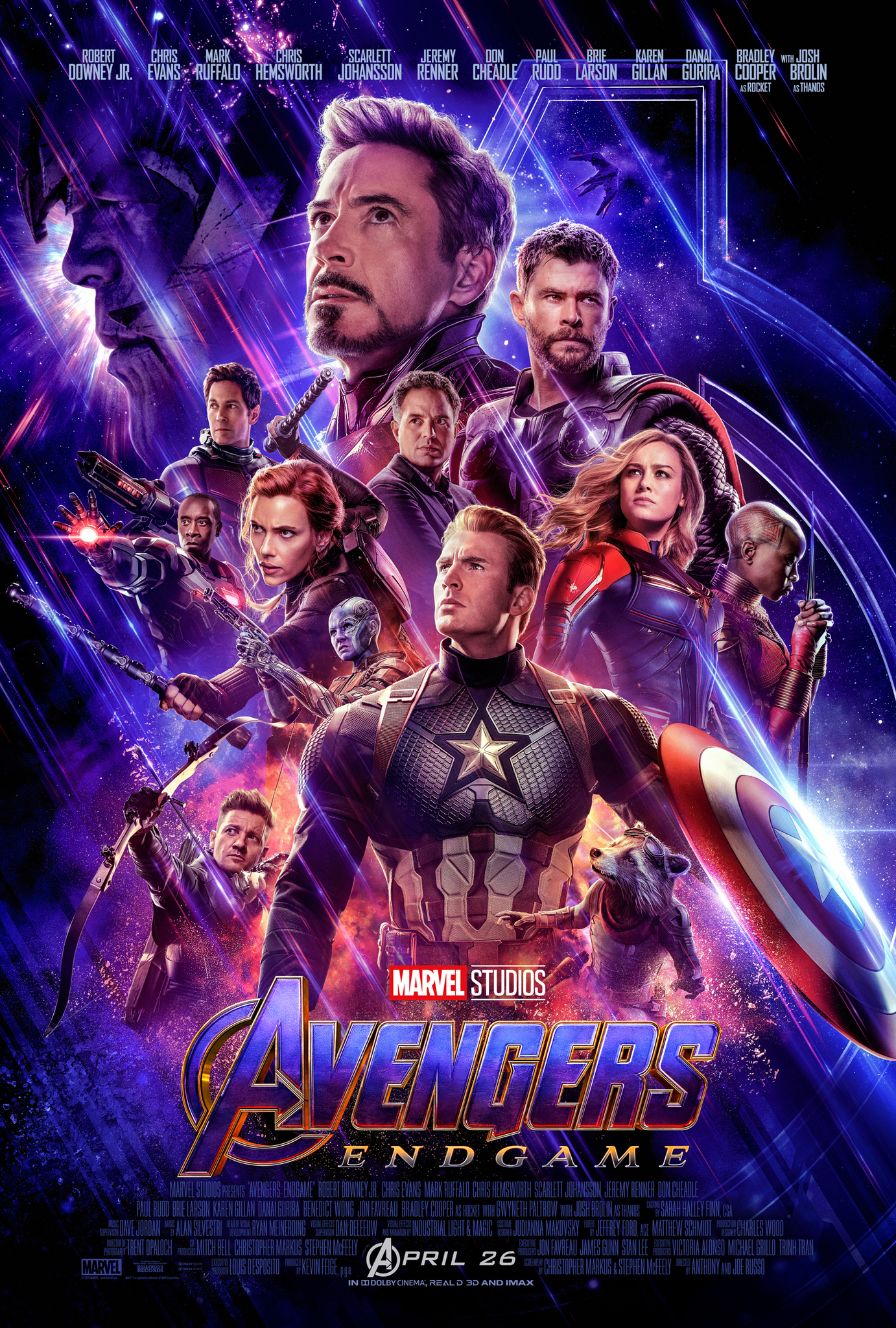
Comprehensive Movie Overview & Deep Dive Analysis
Introduction to a Monumental Cinematic Culmination
Released in April 2019, Avengers: Endgame stands as one of the most remarkable and financially successful achievements in cinematic history. Directed by Anthony and Joe Russo and written by Christopher Markus and Stephen McFeely, the film serves as the direct sequel to 2018's Avengers: Infinity War and marks the monumental twenty-second film in the Marvel Cinematic Universe (MCU). Spanning over a decade of interconnected storytelling, the movie brought together dozens of legendary characters introduced across multiple franchises, delivering an emotional, action-packed conclusion to the narrative arc known colloquially as the "Infinity Saga." Audiences worldwide rushed to theaters, breaking numerous box office records and establishing a new paradigm for blockbuster filmmaking and shared universe continuity.
The Aftermath of the Snap: A Broken Universe
The narrative of Avengers: Endgame opens in the bleak, somber aftermath of Thanos successfully utilizing the Infinity Gauntlet to wipe out half of all life in the universe. This catastrophic event, later referred to in the MCU as the "Blip," leaves the surviving heroes shattered, grieving, and searching for meaning in a world drastically altered by loss. Tony Stark is stranded in deep space alongside Nebula, eventually rescued by Carol Danvers (Captain Marvel), while Steve Rogers, Natasha Romanoff, Bruce Banner, James Rhodes, and Thor grapple with profound survivor's guilt at Avengers Headquarters on Earth. The psychological weight of failure hangs heavily over every character, establishing a grounded, melancholy tone that contrasts sharply with the high-octane spectacle typical of superhero epics. Societies are fractured, ecosystems are struggling with sudden population drops, and hope feels like a distant memory for a population trying to pick up the pieces of an incomprehensible tragedy.
The Five-Year Gap and the Spark of Hope
A critical narrative leap occurs five years after the initial devastation. While humanity continues to adapt to its diminished reality, a breakthrough arrives from an unexpected source. Scott Lang, the Ant-Man, escapes from the quantum realm—where time operates differently—and realizes that while five years have passed for Earth, only five hours have passed for him. This revelation sparks a daring realization: the quantum realm could potentially be utilized for time travel. Scott brings this groundbreaking concept to Natasha Romanoff and Steve Rogers, who quickly enlist Bruce Banner—now having successfully merged his own intellect with the physical might of the Hulk to become "Smart Hulk." Although Tony Stark initially hesitates out of fear of losing his peaceful family life with Pepper Potts and their daughter Morgan, his genius intellect ultimately cracks the code of temporal navigation, paving the way for the most ambitious gambit in history.
The Time Heist: Rewriting History to Save the Future
What follows is the iconic "Time Heist" sequence, where the remaining Avengers split up into specialized teams to travel back to pivotal moments in the MCU timeline to retrieve the Infinity Stones before Thanos can use them. This section serves as a nostalgic love letter to fans, revisiting key historical touchpoints of the franchise. Steve Rogers, Tony Stark, Bruce Banner, and Scott Lang travel to New York City in 2012 during the Chitauri invasion, visiting Stark Tower and Sanctum Sanctorum. Meanwhile, Thor and Rocket Racoon journey to Asgard in 2013 during the events of Thor: The Dark World to extract the Reality Stone, providing Thor with a deeply emotional, cathartic encounter with his late mother, Frigga. Concurrently, Clint Barton and Natasha Romanoff travel to Vormir in 2014, leading to a heartbreaking sacrifice where Natasha gives her life so Clint can secure the Soul Stone. James Rhodes and Nebula travel to Morag in 2014 to secure the Power Stone, though this mission goes awry when 2014-era Nebula's cybernetic systems synchronize with her future self, alerting a past version of Thanos to the Avengers' ultimate plan.
The Ultimate Confrontation: Earth's Mightiest Heroes Assemble
With all six Infinity Stones successfully gathered, the heroes construct a nano-gauntlet, and Bruce Banner volunteers to perform the snap, successfully reversing the Blip and bringing back everyone who vanished five years prior. However, triumph is short-lived as the 2014 version of Thanos hijacks the quantum tunnel, transporting his massive warship and army to the present day to obliterate Earth and forge a new universe that will not question his ideology. What ensues is the legendary final battle at the ruins of the Avengers compound. Outnumbered and battered, Steve Rogers stands alone against Thanos' overwhelming army before the portals open across the cosmos. Masterfully orchestrated by the filmmakers and accompanied by Alan Silvestri's soaring musical score, every resurrected hero, sorcerer, Ravager, and Wakandan warrior steps through portal gateways to join the fight. The rallying cry "Avengers, Assemble!" echoes across the battlefield, signaling one of the most breathtaking crowd-pleasing moments in modern cinematic history.
Sacrifice, Legacy, and Emotional Closure
The climax of the battle demands the ultimate price. Realizing that there is no other way to defeat Thanos and his relentless forces once and for all, Tony Stark intercepts the Infinity Stones, embedding them into his own armor. Uttering the iconic line, "I am Iron Man," Tony snaps his fingers, reducing Thanos and his army to dust at the cost of his own life. The film pauses to honor Tony's immense sacrifice with a touching funeral attended by every corner of the MCU family. Afterward, Steve Rogers is tasked with returning the Infinity Stones and Mjolnir to their respective timelines. Instead of returning immediately, Steve chooses to stay in the past to live out a full, peaceful life with Peggy Carter, eventually returning as an elderly man to pass his iconic shield and mantle to Sam Wilson (Falcon). This poignant emotional resolution provides profound closure for characters who dedicated over a decade of storytelling to protecting the universe.
Directorial Mastery, Cinematography, and Musical Excellence
The monumental success of Avengers: Endgame is rooted heavily in the meticulous craftsmanship behind the camera. Directors Anthony and Joe Russo demonstrated an extraordinary ability to balance sprawling blockbuster action sequences with intimate, character-driven drama. Working closely with cinematographer Trent Opaloch, the filmmakers captured the narrative's shifting tones—from the somber, muted blues of a grieving world during the five-year gap to the brilliant, explosive hues of the final showdown. Furthermore, composer Alan Silvestri delivered a career-defining musical score that seamlessly wove together classic themes from across the entire franchise while introducing unforgettable new motifs like "The Real Hero." Every technical department, from visual effects studios like Industrial Light & Magic to costume designers and editors, operated at the absolute pinnacle of their respective crafts, ensuring that the visual and auditory landscape matched the immense emotional stakes of the story.
Cultural Impact, Box Office Triumph, and Legacy
Upon its theatrical release, Avengers: Endgame shattered records globally, quickly climbing the box office charts to become the highest-grossing film of all time for a period, grossing over 2.79 billion dollars worldwide. Beyond mere financial metrics, the film redefined contemporary pop culture, generating widespread internet discourse, viral reactions, and cultural moments that united millions of fans globally. It proved that long-form, serialized storytelling across multiple cinematic entries could yield profound emotional resonance and commercial viability on an unprecedented scale. As the definitive capstone to the Infinity Saga, Endgame remains a gold standard for modern franchise filmmaking, demonstrating how careful planning, creative dedication, and profound respect for source material can culminate in an unforgettable cinematic landmark.
Frequently Asked Questions (FAQs)
Q: Who directed Avengers: Endgame?
A: The film was directed by Anthony and Joe Russo, who also directed Captain America: The Winter Soldier, Captain America: Civil War, and Avengers: Infinity War.
Q: Why did Iron Man have to die?
A: Tony Stark's sacrifice served as the ultimate thematic conclusion to his character arc, which began in 2008 with him transforming from a self-absorbed arms dealer into a selfless protector willing to give everything for others.
Q: Are there download options available in high definition?
A: Yes, you can access verified download links for 480p, 720p, and 1080p resolutions directly through the download section provided on this page.